
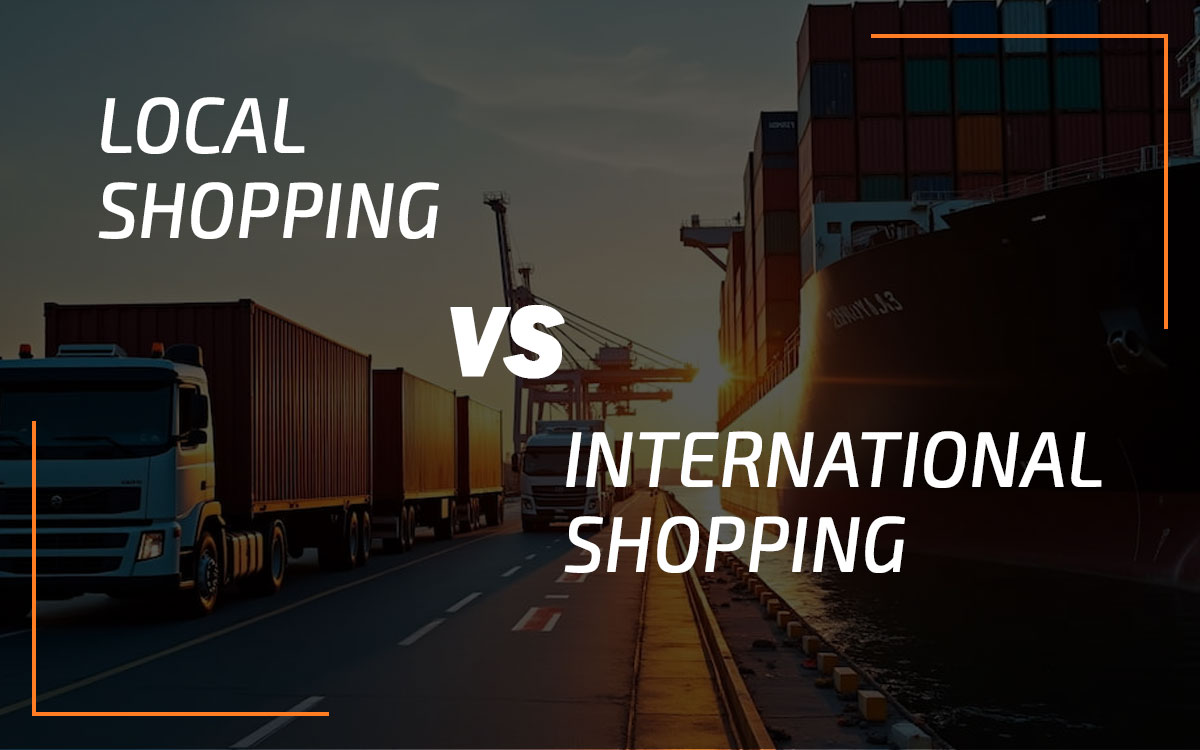
Choosing between local and international shopping has become a common question for modern consumers. With easy access to online marketplaces and local retailers offering digital options, buyers now have more choices than ever. Understanding the differences helps you decide which approach best fits your lifestyle, budget, and expectations.
Both local and international shopping offer unique advantages and challenges. The right choice depends on factors such as product availability, delivery time, pricing, and personal preferences. This guide breaks down the key differences to help you make an informed decision.
Understanding Local Shopping
Local shopping refers to purchasing products from nearby stores or domestic online retailers. This option emphasizes convenience, faster delivery, and supporting local businesses.
Local retailers often provide personalized service and easier communication. Customers can quickly resolve issues, return products, or seek assistance without language or time-zone barriers.

Advantages of Local Shopping
One of the biggest advantages of local shopping is speed. Products are usually available immediately or delivered within a short time. This is ideal for urgent purchases or essential items.
Local shopping also simplifies returns and exchanges. Familiar consumer protection laws offer added peace of mind. Many buyers appreciate supporting local businesses and contributing to the local economy.
Limitations of Local Shopping
Local shopping may offer limited variety, especially for international brands or niche products. Prices can also be higher due to local operating costs and smaller market competition.
For consumers seeking specialized items or global trends, local options may not always meet expectations.
Understanding International Shopping
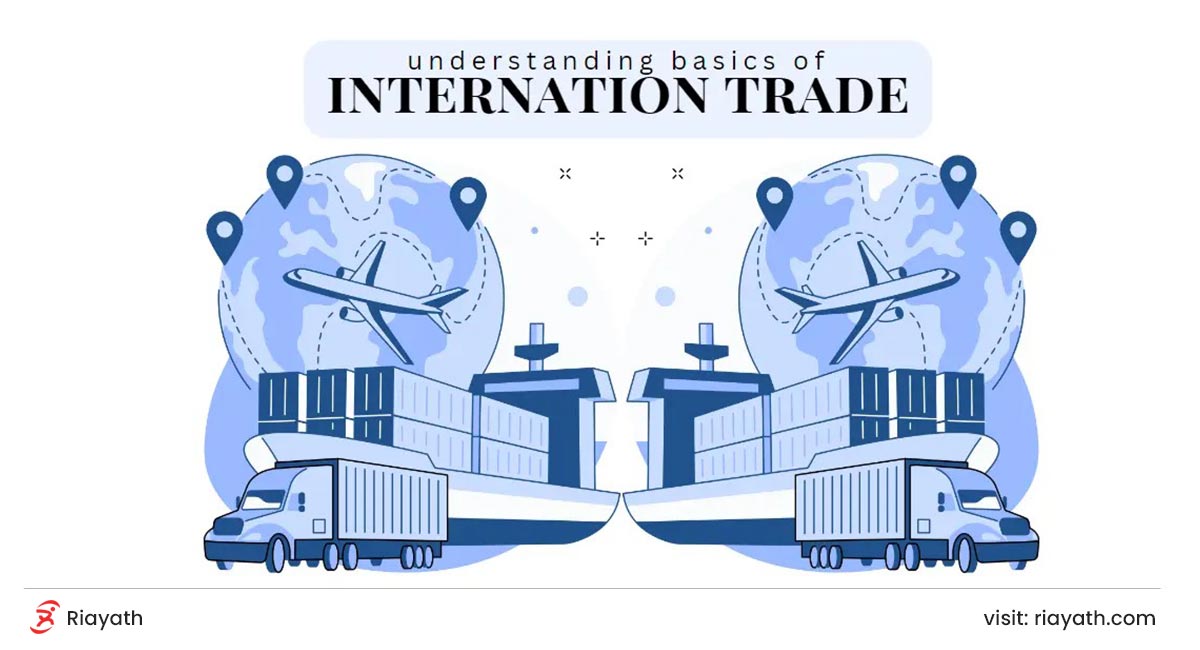
International shopping allows buyers to purchase products from sellers around the world. This approach offers access to global brands, unique products, and broader selection.
Online marketplaces have made international shopping more accessible, offering secure payments, tracking, and buyer protection.
Advantages of International Shopping
International shopping excels in product variety. Consumers can explore global trends, exclusive brands, and innovative products unavailable locally.
Competitive pricing is another advantage. Global competition often results in better deals, promotions, and flexible pricing options.
Challenges of International Shopping
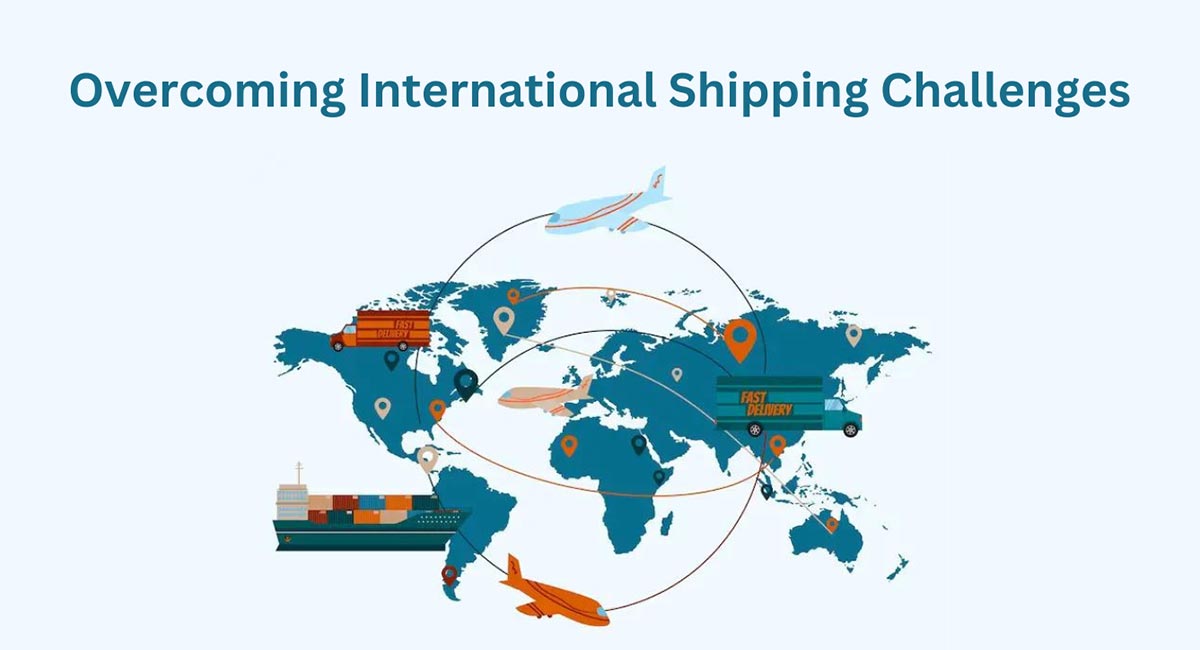
Delivery times for international purchases can be longer. Customs procedures and shipping delays may affect timelines.
Additional costs such as duties and taxes can apply. Understanding these factors helps manage expectations and avoid surprises.
Comparing Costs and Value
Cost comparison is a major factor when choosing between local vs international shopping. While local purchases may have higher upfront prices, they often include faster delivery and simpler returns.
International shopping may offer lower product prices but include shipping and customs fees. Evaluating total cost ensures better value.

Delivery Speed and Convenience
Local shopping typically wins in speed. Same-day or next-day delivery options are common.
International shopping prioritizes variety over speed. Buyers who plan ahead benefit most from global options.
Product Quality and Authenticity
Both local and international sellers can offer high-quality products. Trusted sellers and verified platforms help ensure authenticity.
Researching sellers and reading reviews is important regardless of location.

Customer Support and Returns
Local shopping often provides easier customer support due to proximity and language familiarity.
International platforms have improved support systems, but resolution may take longer depending on seller location.
Role of Marketplaces Like Riayath
Platforms like Riayath bridge the gap between local and international shopping. By offering trusted sellers, secure payments, and transparent policies, Riayath enables customers to enjoy the benefits of both worlds.
This hybrid approach gives buyers flexibility and confidence.
FAQs ( Frequently Asked Questions)
Local shopping focuses on speed and convenience, while international shopping offers wider variety and global access. Each option serves different needs.
Not always. International shopping can offer better prices, but shipping and customs costs may apply. Comparing total costs is essential.
Both can be safe if buyers choose trusted platforms and sellers. Secure payments and clear policies reduce risks.
Yes, many buyers use local shopping for essentials and international platforms for specialty products. This approach offers flexibility.



 No products in the cart.